2024 Annual Meeting: Summary and analysis
Paramaribo, 3-4 June 2024
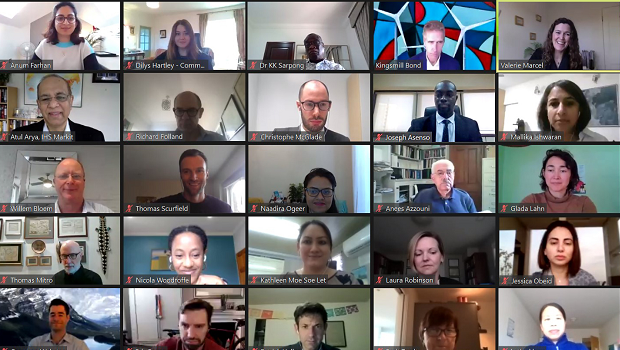
Staatsolie hosted the 2024 Annual meeting in Paramaribo, Suriname. It brought together governments, NOCs, industry partners, and technical experts for a two-day international discussion, as well as training.
Key messages
- The New Producers for Sustainable Energy 2024 annual meeting addressed the challenges and opportunities faced by emerging producers in developing natural gas resources and managing greenhouse gas emissions.
- The global investment mood in oil and gas is bullish, but capital expenditure is unevenly distributed, favouring North America and Latin America.
- Equity issues are central for member countries, with the Global North discouraging new oil and gas projects in the Global South, while increasing their own production.
- The Global South members of the NP4SE emphasised the need for energy access to alleviate poverty and drive development.
- Lock-in risks associated with gas infrastructure investments are lower for downstream projects and can be mitigated for upstream projects by lowering costs and execution time, notably through small-scale and modular approaches.
- Monetizing associated gas and methane presents challenges due to immature markets and infrastructure but offers significant economic and environmental benefits.
- Growing focus on GHG emissions has led to increased pressure on operators to reduce emissions, particularly methane.
- Financing decarbonization and gas projects remains a challenge, with limited public finance available and commercial banks hesitant to invest.
- New producers are exploring alternative financing options, such as climate bonds and partnerships with Asian importing countries and institutions like the African Energy Bank.